What the 2023 NFT Art Edition actually was
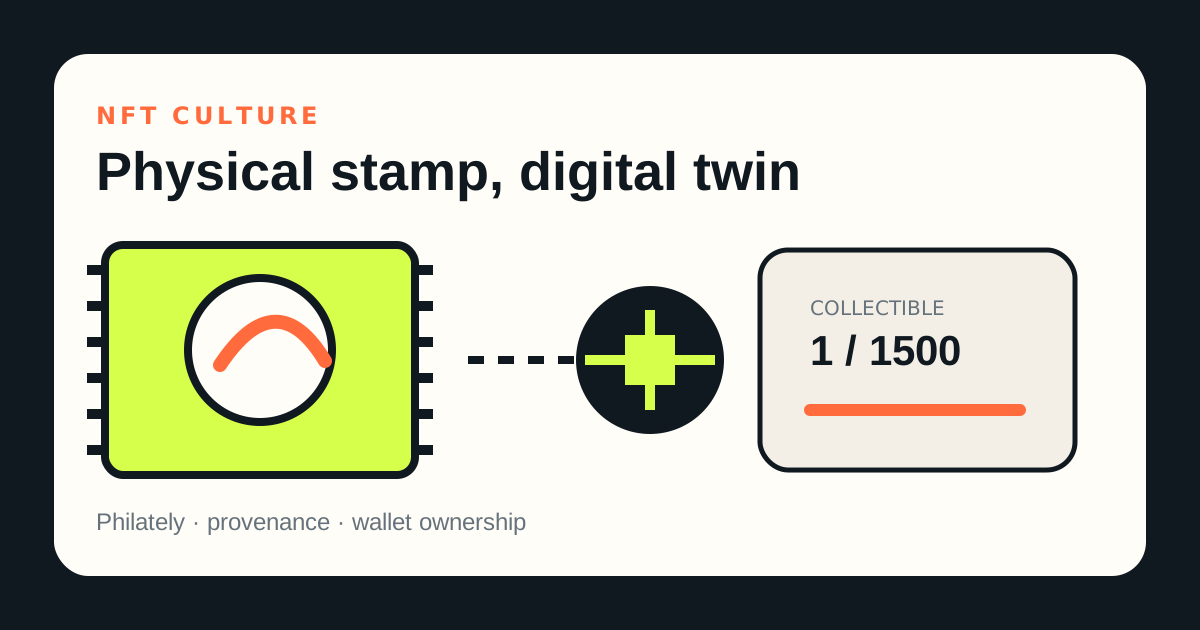
Philately Liechtenstein introduced its NFT Art Edition for the 100th anniversary of the customs treaty between Liechtenstein and Switzerland. The official product combined an imperforated special stamp block with a digital artwork by pop artist Romero Britto. The physical and digital pieces were deliberately presented as two sides of the same “tradition and innovation” concept rather than as unrelated merchandise. Sources: Philately Liechtenstein — NFT Art Edition; Liechtenstein official portal — Philately Liechtenstein presents a world novelty in stamps
The official philately material says the edition was limited to 1,500 packages. Each package included the special stamp block, an NFT by Britto, certificates of authenticity and museum-related extras. The NFT was virtually linked to part of Britto’s original painting displayed at the Liechtenstein Post Museum, giving the token a direct relationship to a physical work that collectors could also view offline. Sources: Philately Liechtenstein — NFT Art Edition; Liechtenstein official portal — Philately Liechtenstein presents a world novelty in stamps
For a plain-language reference to the ownership and network concepts behind digital collectibles, see our blockchain glossary.
Why the physical-digital design mattered
Many NFT launches of the 2021–2022 cycle asked buyers to value a digital image primarily because it was scarce onchain. This edition took a different route. The collectible already had a traditional philatelic layer, a known artist, authenticity documentation and a museum connection. Blockchain acted as an additional ownership and provenance layer rather than the only source of meaning. Sources: Philately Liechtenstein — NFT Art Edition
That distinction is important when judging whether NFTs add anything to an established collectible market. A stamp collector does not need a blockchain to understand scarcity, provenance or limited editions. The digital token becomes more interesting when it provides a separate transferable object and a verifiable relationship to a physical edition that already has cultural context. Sources: Philately Liechtenstein — current NFT Art Edition product page
What collectors received and what they did not
According to Philately Liechtenstein, buyers could transfer the NFT to a personal wallet and could collect or trade it on an external marketplace. The official FAQ describes the NFT as digital artwork connected to an image section of the Britto painting. That is narrower than owning the underlying physical painting or acquiring broad intellectual-property rights, so the distinction between token ownership and ownership of the artwork itself remains important. Sources: Philately Liechtenstein — NFT Art Edition; Philately Liechtenstein — current NFT Art Edition product page
The project also illustrates why “NFT-backed” should not be treated as a substitute for reading the actual product terms. The value proposition came from a package: the stamp block, certificates, edition size, artwork relationship and digital token. Removing that context and looking only at the token would miss most of what made the edition distinctive. Sources: Philately Liechtenstein — NFT Art Edition
For newer developments across NFT infrastructure and Web3 systems, browse our crypto news and analysis.
What this launch says about tokenized collectibles
The most durable NFT use cases in collecting may be those that do not require buyers to abandon the existing hobby. Philately already has catalogues, provenance, specialist dealers and a culture of limited issues. A digital twin or companion asset can add portability and programmable ownership while the physical object continues to carry its own history. Sources: Philately Liechtenstein — NFT Art Edition; Liechtenstein official portal — Philately Liechtenstein presents a world novelty in stamps
That does not guarantee investment performance, liquidity or future demand. It does show a more grounded design pattern: start with something collectors can understand, make the relationship between physical and digital explicit, and use the blockchain for a specific function. For a national philatelic service, that is a more defensible experiment than launching an unrelated profile-picture collection simply because NFTs are fashionable. Sources: Philately Liechtenstein — current NFT Art Edition product page
How to evaluate the ownership and market risk now
A sensible evaluation starts with the package terms rather than a price chart. Check the edition size, authenticity documents, token contract and supported wallet path, then separate those facts from resale assumptions. A limited edition can remain culturally interesting even if trading is thin, while a liquid market can disappear even when the underlying product is genuine. Scarcity is a property of supply, not a promise of demand. Sources: Philately Liechtenstein — NFT Art Edition; Philately Liechtenstein — current NFT Art Edition product page
Current product pages still describe the edition and its included items, but a seller-controlled page is evidence for what the issuer says it offers, not independent proof of future value. Anyone considering a purchase should verify current availability, transfer mechanics and the exact rights attached to the NFT as of the transaction date. Sources: Philately Liechtenstein — current NFT Art Edition product page
Sources and references
These references support factual and historical claims in the article. Company and project-controlled sources are used for their own product statements; they are not treated as independent proof of superiority, safety or investment value.